Aluminum Extrusion Die Design and Engineering for Extrudability
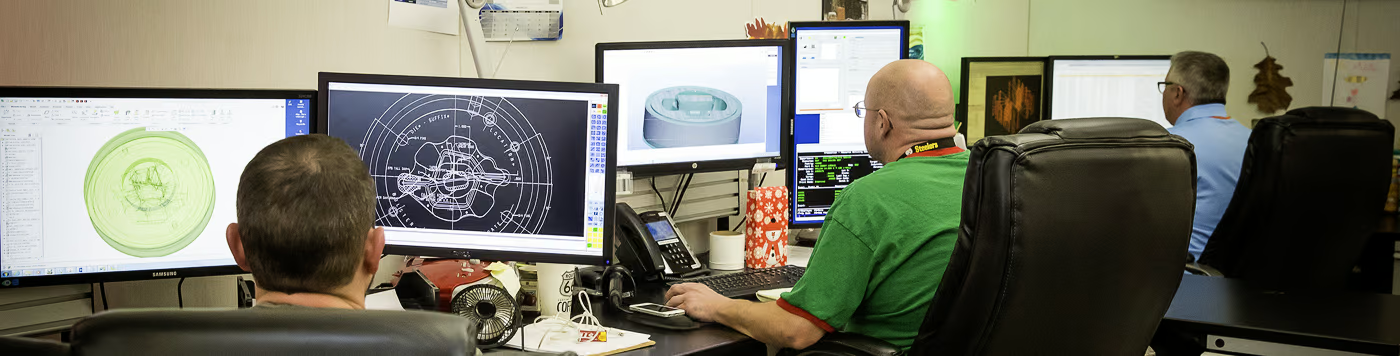
Every profile you send us is designed by a team that has already worked through most of the problems it presents. Our 29 die design engineers have designed dies for 500,000+ unique profiles, and 90%+ of our dies run successfully on the first trial.
We build profile geometry around how metal actually behaves at the die, informed by 500,000 unique profiles. Here’s what that looks like.
Pre-Engineering
If the profile is complex, a senior designer takes it first and builds an initial design proposal, mostly porting and web layout, before releasing it to the production design team. This is where the hardest decisions on a difficult job get made.
Profile Adjustment
We adjust for what extrusion actually does to a profile. Bow, twist, shrink, cave. Get this wrong and you end up with a die that matches the print and still runs out of tolerance.
Final Design
Last, we build in the standards we keep on file for your account: stamping pad, keyways, desired sizes, and anything else you’ve specified.
Every location follows the same documented design process and runs the same programming software, so the tool doesn’t change depending on which location had capacity that week. The 90%+ first-run rate comes out of that whole sequence.
Extrusion Die Flow Simulation with QForm-Extrusion
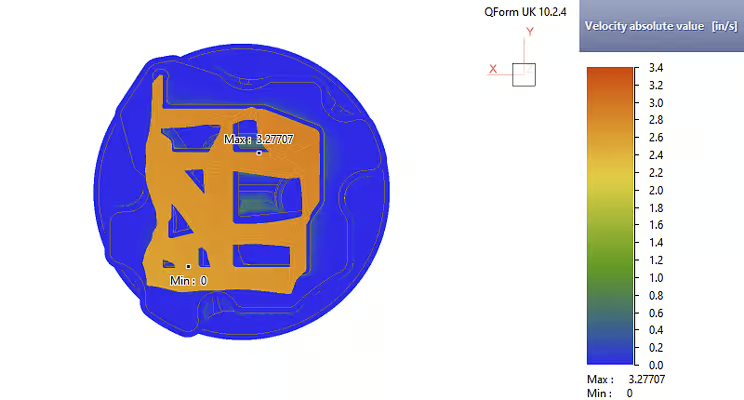
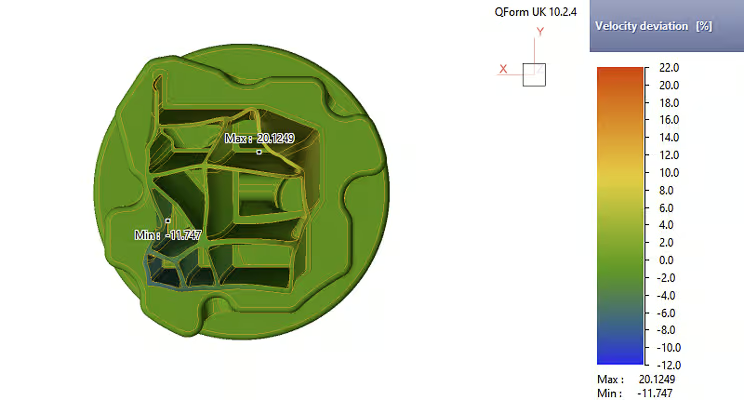
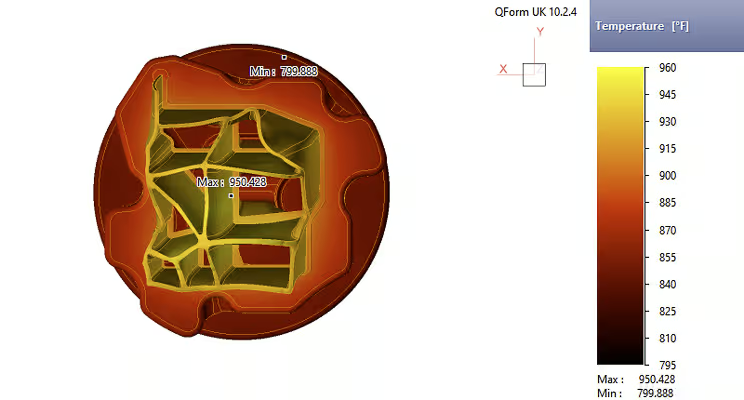
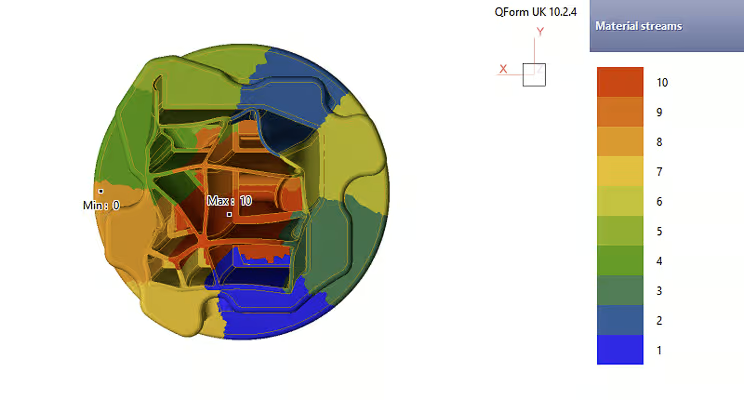
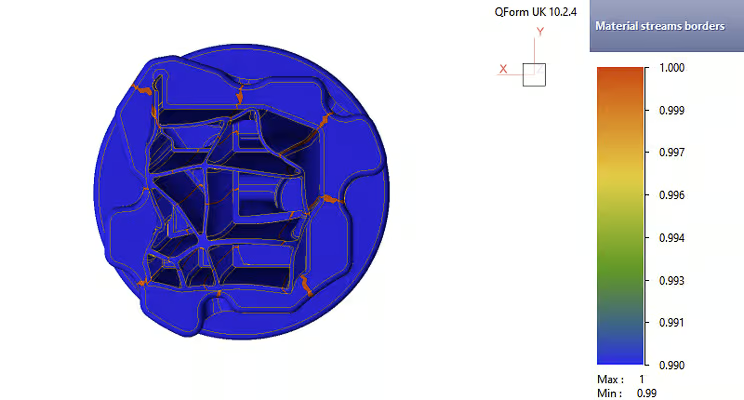
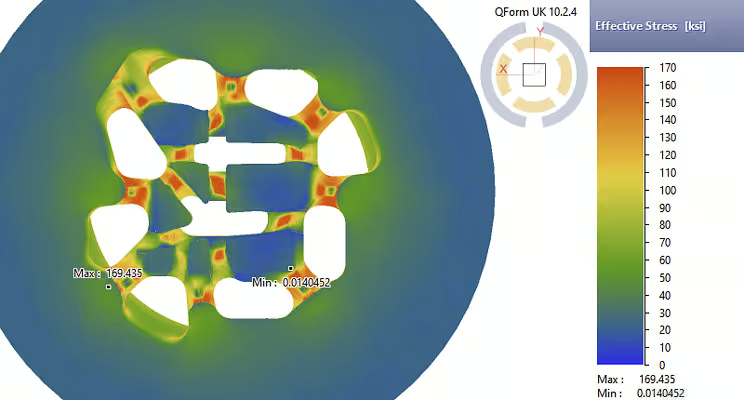
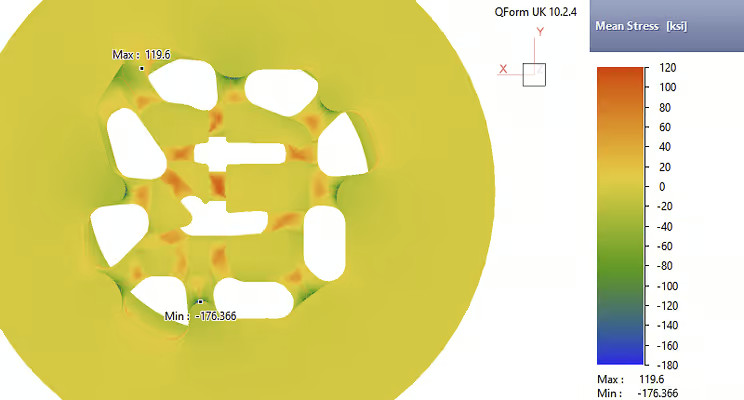
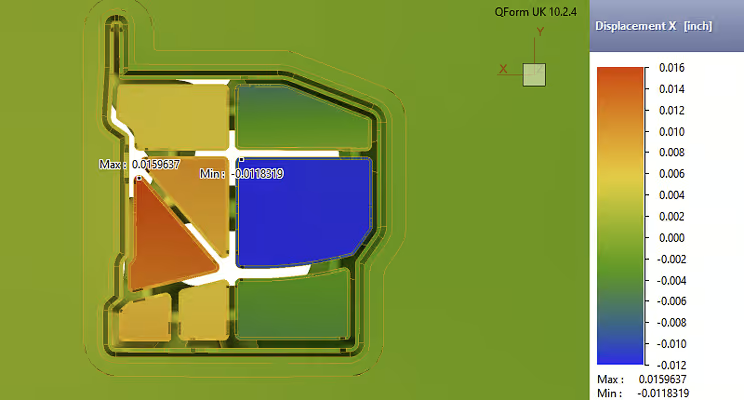
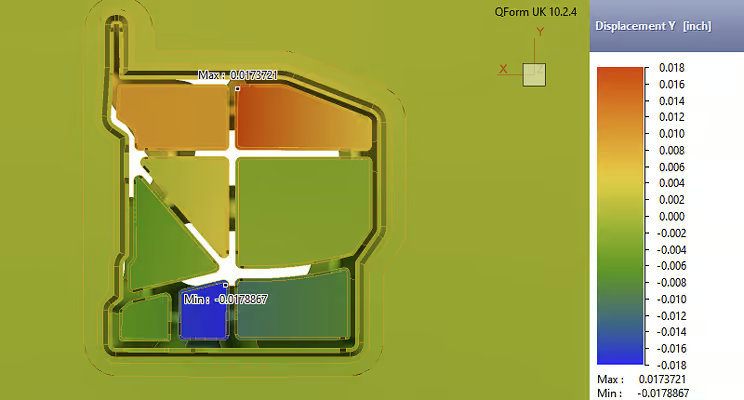
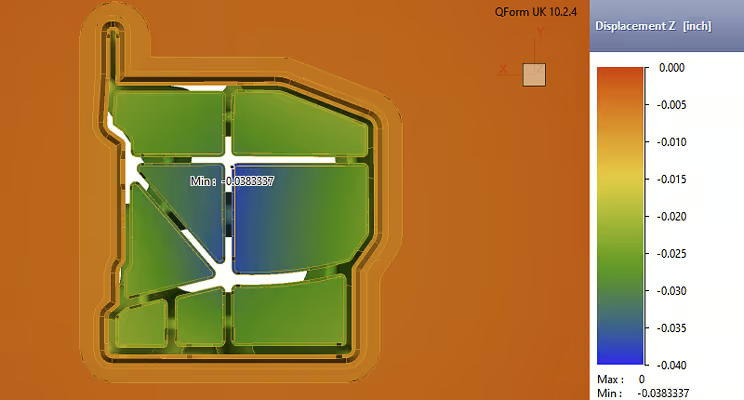
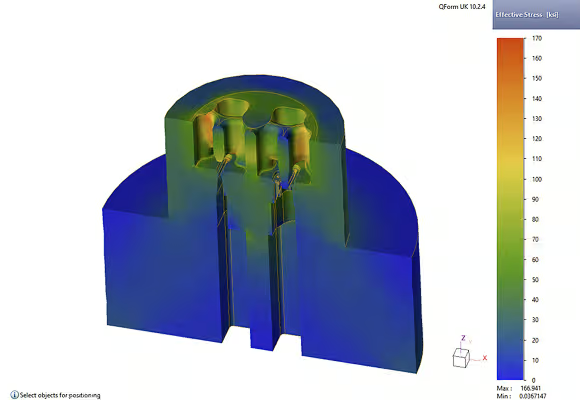
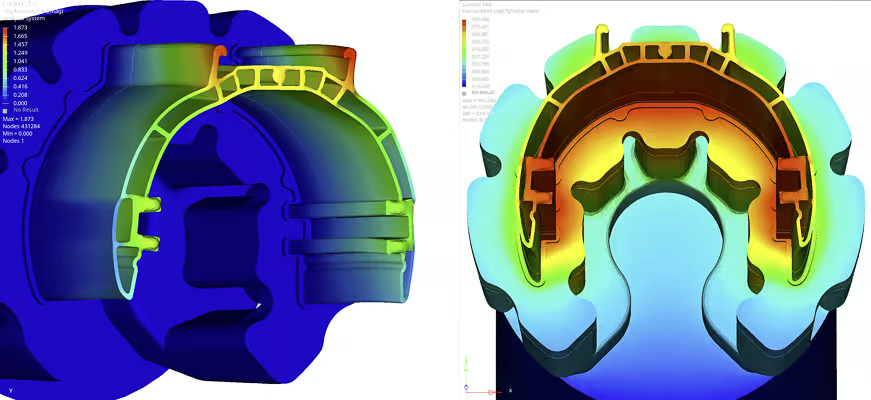
Extrusion die flow simulation predicts how aluminum will move through a die before any steel is cut. We run QForm-Extrusion simulations more than 200 times every year to model metal flow, temperature, stress, and die deflection at the conditions the die will actually see: your alloy, your billet diameter and temperature, your extrusion ratio, your press.
What Simulation Shows Before Steel Is Cut
Fewer corrections on your bench
Simulation catches problems too small to see on a print but big enough to cause issues at the press. Geometry changes happen in CAD, so your die correction staff doesn’t inherit the problem.
Longer tool life
Simulation shows where the die is most likely to deflect or crack and puts numbers behind it instead of leaving it to judgment. Correcting for that at the design stage can extend die life.
Less scrap
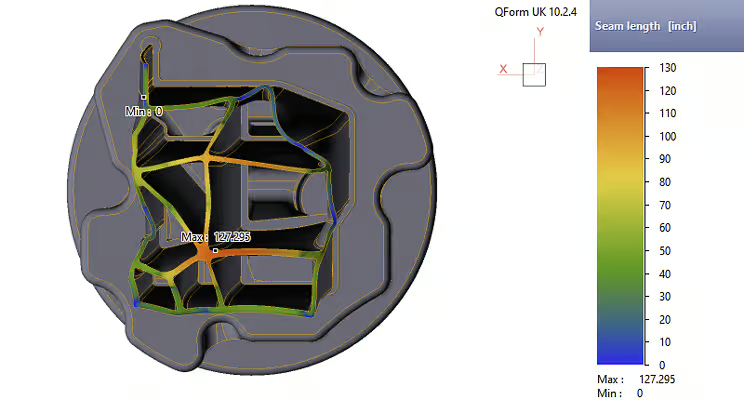
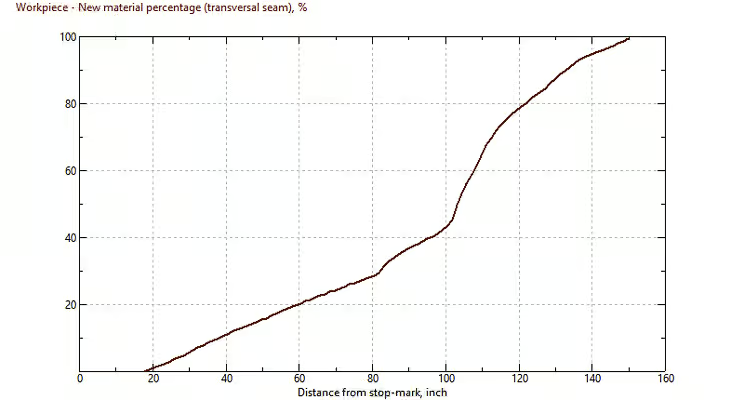
Simulation shows how far the charge weld seam from the previous billet carries. When the finished part has structural requirements, the scrap-length decision is better made from data than from a guess.
Root cause analysis
When a profile goes out of spec, we can compare what the die was predicted to do under stated conditions with what it actually did at your press.
First-run success
You know how the profile will run on the press you planned it for, so start-up goes faster.
Your own what-if cases
We can hand you the simulation so you can test different ram speeds, billet temperatures, and ingot surface conditions without touching the die.
Together those outputs have an impact that reaches across your entire shop: what gets cut, what gets corrected, how the press is set, and how much length you write off. That’s also why automotive OEMs and Tier suppliers increasingly specify simulation-capable tooling suppliers.
It models how aluminum moves through a die before the die is cut. We use QForm-Extrusion to model metal flow, temperature, stress, and die deflection under your alloy, billet diameter and temperature, extrusion ratio, and press.
+
-
When do you simulate a die?
When a profile is complex enough to warrant it. We run QForm-Extrusion simulations more than 200 times a year.
+
-
What happens to a complex profile before production design?
A senior designer takes it first and builds an initial design proposal, mostly porting and web layout, before releasing it to the production design team.
+
-
Can we get the simulation results?
Yes. We can hand you the simulation so you can run what-if cases at different ram speeds, billet temperatures, and ingot surface conditions without touching the die.